

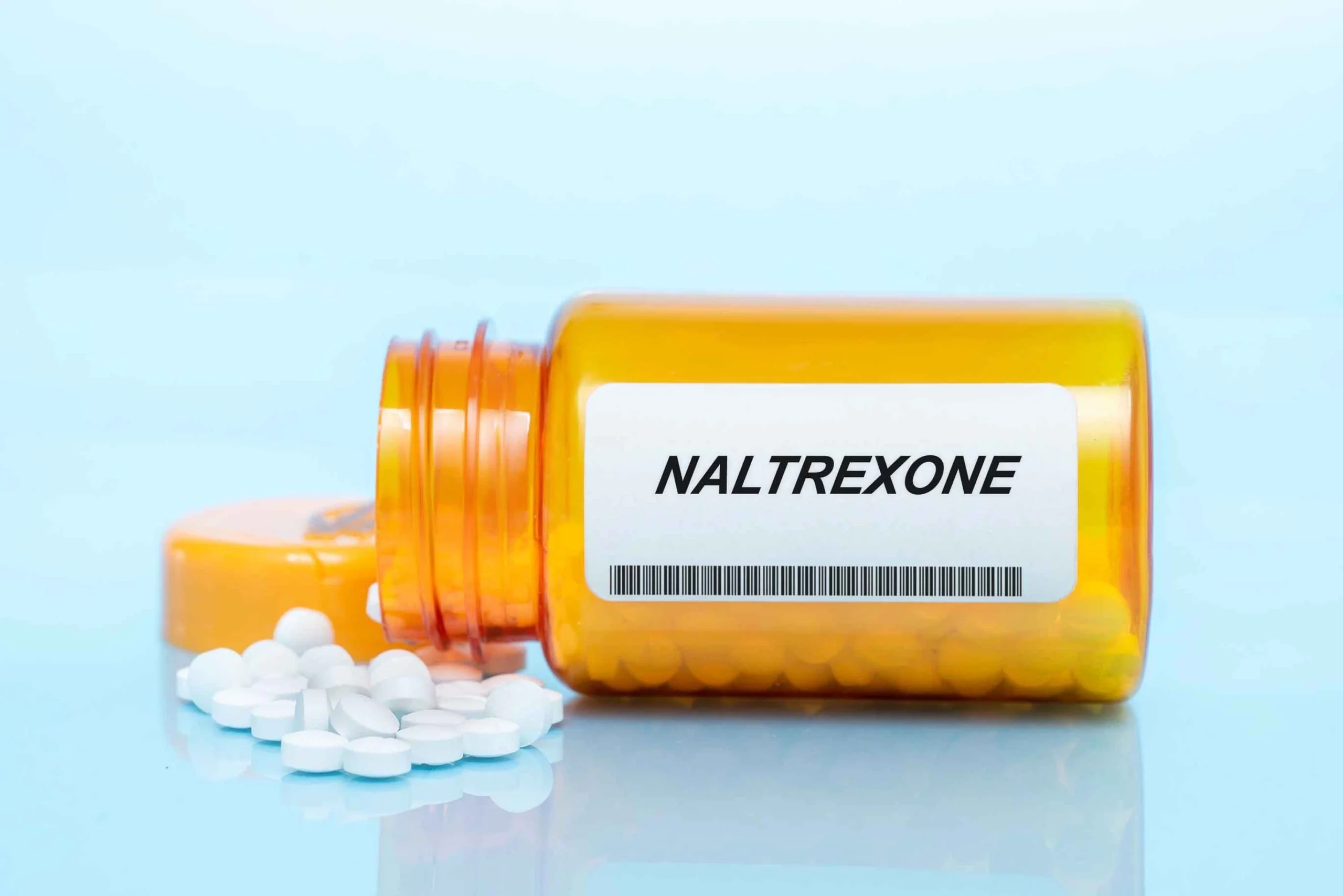
Understanding Alcohol Use Disorder
Alcohol use disorder (AUD) is a chronic condition characterized by a strong urge to drink, difficulty controlling alcohol consumption, and continued use despite negative consequences. It affects millions of people worldwide and can range from mild to severe. The causes of AUD are complex, involving a combination of genetic, psychological, and environmental factors.
Many people with AUD struggle with repeated attempts to quit or cut back on drinking, often finding that willpower alone is not enough. That’s why medications like naltrexone play an essential role. They address the biological aspects of addiction by targeting the brain’s reward system, which helps reduce the reinforcing effects of alcohol.
By dampening alcohol’s ability to produce pleasure or relaxation, naltrexone helps individuals focus on behavioral changes and therapy without being overwhelmed by cravings or relapse triggers.
How Naltrexone Helps with Alcohol Dependence
Alcohol dependence occurs when the body and brain adapt to regular alcohol use, leading to tolerance and withdrawal symptoms when drinking stops. People who are dependent on alcohol may experience anxiety, sweating, tremors, or irritability if they suddenly quit. Traditional approaches like detoxification and counseling are essential, but they may not be enough to prevent relapse.
This is where naltrexone becomes valuable. The medication works by binding to opioid receptors in the brain, blocking the pleasurable effects of alcohol. Over time, this helps reduce both the desire to drink and the satisfaction associated with alcohol consumption.
Clinical evidence shows that naltrexone does not cause withdrawal symptoms and can be used even if the person is still drinking, which makes it more accessible than some other medications. When combined with behavioral therapies and social support, naltrexone has been shown to increase abstinence rates and reduce the number of heavy drinking days.
The Role of Naltrexone in the Treatment of Alcohol Addiction
The treatment of alcohol addiction often requires a combination of medical, psychological, and social support strategies. Naltrexone is not a “cure” for addiction, but it is an essential component of evidence-based treatment plans. It is typically prescribed after an assessment by a healthcare provider, who may determine the appropriate form, which may include oral tablets (usually taken once daily) or a long-acting injectable formulation that is administered monthly.
When used as prescribed, naltrexone helps reduce relapse risk by decreasing cravings and the reward sensation associated with alcohol. This makes it easier for individuals to stay engaged in counseling, group therapy, and other recovery activities.
Unlike medications that cause aversive reactions to alcohol, naltrexone works by removing alcohol’s rewarding effects. This distinction makes it more tolerable and appealing to many patients, particularly those who have previously struggled with abstinence-only approaches.
What Systematic Reviews Reveal About Naltrexone’s Effectiveness
Over the past few decades, numerous clinical trials and systematic reviews have evaluated naltrexone’s role in treating alcohol addiction. These comprehensive analyses provide strong evidence supporting its effectiveness.
Systematic reviews published in leading medical journals have consistently shown that naltrexone helps reduce heavy drinking days, increase abstinence rates, and lower relapse risks. These studies also suggest that naltrexone is most effective when used as part of a holistic treatment program that includes counseling or behavioral therapy. In other words, medication works best when combined with supportive strategies that address the psychological and social dimensions of addiction.
Understanding Possible Adverse Effects
Like any medication, naltrexone can cause side effects, although they are usually mild and temporary. Common adverse effects include nausea, headache, fatigue, dizziness, and sleep disturbances. Some individuals may also experience abdominal discomfort or muscle pain, especially during the first few weeks of treatment.
In most cases, these symptoms improve as the body adjusts. However, healthcare providers typically monitor patients closely to ensure the medication is well-tolerated. Because naltrexone is processed by the liver, it is not recommended for individuals with severe liver disease, and regular liver function tests are usually required during treatment.
Severe reactions are rare but can include liver toxicity at high doses or allergic responses. For this reason, patients should always follow medical guidance and report any unusual symptoms immediately.
Combining Naltrexone with Counseling and Lifestyle Changes
Medication alone cannot fully address the psychological and social challenges associated with alcohol addiction. Combining naltrexone with counseling and structured therapy greatly increases the chances of recovery. Cognitive-behavioral therapy (CBT), motivational enhancement therapy, and support groups like Alcoholics Anonymous (AA) are often recommended alongside medication.
These programs help individuals develop healthier coping skills, manage triggers, and build supportive social networks. Naltrexone reduces cravings, allowing patients to concentrate on these behavioral strategies without the constant pull of alcohol.
Lifestyle changes also play a significant role in recovery. Regular exercise, balanced nutrition, adequate sleep, and stress management can all improve overall well-being and reduce the likelihood of relapse. Setting achievable goals and celebrating small milestones can further reinforce progress and motivation throughout the recovery journey.
Who Should Consider Naltrexone?
Naltrexone is typically recommended for individuals who want to cut down on or stop drinking and have already completed or are in the process of detoxification. It may also be suitable for people who have tried other treatments without success. However, it is not appropriate for everyone.
People who are using opioid pain medications, have acute hepatitis, or have significant liver impairment should not take naltrexone. Pregnant or breastfeeding women should also discuss potential risks and benefits with their healthcare provider before starting treatment.
A thorough medical evaluation helps determine if naltrexone is safe and suitable for each individual’s circumstances. Healthcare providers often tailor treatment plans based on personal goals, such as reducing drinking frequency, achieving abstinence, or preventing relapse after rehabilitation.
Practical Tips for Starting Naltrexone Therapy
Starting naltrexone treatment involves careful planning and support. Before beginning, a healthcare provider may order liver function tests and confirm that the patient is not dependent on opioids. The medication can be started once these conditions are met.
Adherence is key. Skipping doses can reduce effectiveness, especially for those taking oral tablets. For individuals who struggle with daily medication routines, the injectable version (Vivitrol) can be a good alternative, as it provides consistent levels of the drug for a whole month.
It’s also essential to maintain regular check-ins with a healthcare provider. These visits allow for progress tracking, side effect management, and adjustments to the overall treatment plan as needed.
The Path to Recovery
Recovery from alcohol addiction is not a straight line, and relapse does not mean failure. It’s a signal that the treatment plan may need adjustment. Naltrexone can make recovery more manageable by decreasing the physical drive to drink, but motivation, support, and persistence remain essential.
Many people report that using naltrexone gave them the “space” to rebuild their lives, helping them focus on relationships, work, and health without the constant burden of cravings. Over time, the brain begins to heal, and the emotional stability that comes with sobriety becomes its own reward.
Conclusion: Using Naltrexone for Alcohol Addiction
Decades of research, including numerous randomized controlled trials, have shown that naltrexone is an effective option for people who struggle to drink alcohol in moderation or wish to stop completely. The Substance Abuse and Mental Health Services Administration (SAMHSA) and the U.S. Department of Health and Human Services (DHHS) both recognize naltrexone as a key evidence-based tool for addressing substance use disorders, including alcohol abuse and opioid use disorder.
Whether prescribed for mild alcohol use disorder or severe alcohol use disorder, naltrexone works best when paired with behavioral interventions, such as counseling, therapy, and structured recovery programs. Oral naltrexone can be taken daily, while long-acting injectable formulations provide sustained benefits and may improve medication adherence by reducing the need for frequent dosing. When used as a long-acting injectable, naltrexone has been shown to decrease alcohol use and support long-term abstinence, particularly among patients treated in comprehensive recovery programs.
It is also important to recognize that naltrexone is not suitable for everyone, especially individuals experiencing acute alcohol withdrawal or those with certain medical conditions like severe liver disease. While adverse events such as nausea, fatigue, or headache may occur, they are generally mild and temporary compared to the risks associated with continued excessive alcohol use.
Clinicians often tailor treatment to each individual’s needs, especially for patients who have coexisting conditions, such as bipolar disorder or other psychiatric concerns. Integrating drug therapies like naltrexone with consistent behavioral care offers the best opportunity to reduce alcohol intake, restore health, and build long-term recovery. For many people struggling with alcohol dependence, naltrexone represents not just a medication, but a renewed chance to regain balance, stability, and lasting freedom from addiction.

About The Author
Dr. Sarah Johnson is a board-certified psychiatrist specializing in alcohol addiction and mental health care. She is dedicated to providing compassionate, evidence-based treatment that empowers patients to heal and build lasting resilience.
How to Find a Mental Health Provider That’s Right for You?
How to Know If You Need Therapy?
Psychiatrist vs Therapist: Which One Do You Need?
Teletherapy vs. In-Person Therapy: Which Is Better for You?
Does Insurance Cover Mental Health Treatment?
How Do I Know If I Need Therapy?