


How Long Does it Take to Get Over Alcohol Addiction?

Recovery from alcohol addiction is a deeply personal journey that varies significantly from person to person. While the initial physical withdrawal symptoms typically subside within one to two weeks, the complete recovery process – including mental, emotional, and behavioral healing – generally takes several months to years. Most experts consider the first 90 days critical for establishing sobriety, but true recovery involves ongoing commitment and lifestyle changes that extend far beyond this initial period.
Understanding the realistic timeline for overcoming alcohol addiction can help set appropriate expectations and prepare you for the road ahead.
How to Help Someone With an Alcohol Addiction?

Watching someone you care about struggle with alcohol addiction is one of the most challenging experiences you can face. Helping someone with an alcohol addiction requires a combination of education, compassion, and strategic action. The most effective approach involves educating yourself about addiction, choosing the right time for a caring conversation, encouraging professional treatment, setting healthy boundaries, and maintaining consistent support throughout their recovery journey. While you cannot force someone to change, you can create an environment that makes recovery possible and demonstrates that they are not alone in their struggle.
Understanding how to navigate this difficult situation can make the difference between enabling destructive behavior and providing the kind of support that genuinely helps. This guide will walk you through the essential steps for supporting someone with an alcohol addiction while also protecting your own well-being.
Peptides For Alcohol Addiction: How Do They Work?
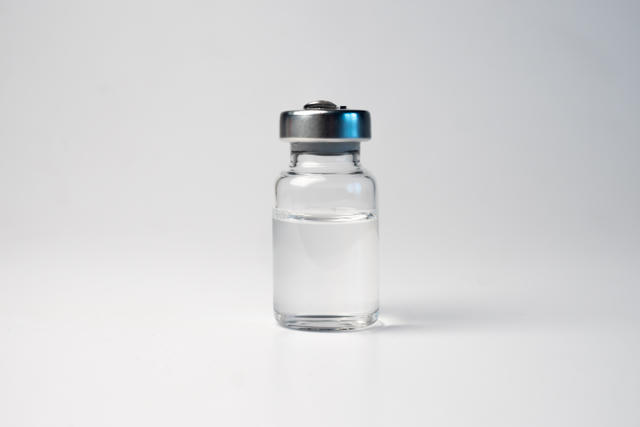
Alcohol addiction creates devastating consequences for individuals, families, and communities. While traditional treatment approaches have helped many, researchers are now exploring innovative solutions that target the biological mechanisms underlying addiction. Peptides represent a promising frontier in this battle, offering targeted therapeutic effects that could revolutionize how we treat alcohol dependence. These naturally occurring molecules act at the cellular level to modulate brain chemistry, reduce cravings, and support recovery, complementing existing treatments.
The science behind peptide therapy for alcohol addiction is complex yet fascinating. Unlike conventional medications that often work broadly across multiple systems, peptides can target specific receptors and pathways involved in addictive behaviors. This precision approach means fewer side effects and potentially better outcomes for those struggling with problematic drinking patterns.
What Does Alcohol Addiction Feel Like?

Many people wonder what it’s actually like to experience alcohol addiction, whether they’re concerned about their own drinking or trying to understand a loved one’s struggles.
Alcohol addiction feels like being trapped in a cycle where drinking becomes the central focus of your life, even when you desperately want to stop. It’s a combination of physical cravings that make your body feel incomplete without alcohol, emotional dependence that makes you believe you can’t cope with stress or social situations sober, and a gradual loss of control where promises to yourself about cutting back repeatedly fall apart.
The experience is often marked by shame, isolation, and the exhausting effort of hiding the extent of your drinking from others while battling an internal war between wanting to quit and feeling unable to do so.
How Does Ibogaine Treatment for Alcohol Addiction Work?

Alcohol addiction is one of the most persistent and difficult challenges to overcome, affecting millions of people around the world. Traditional methods like rehabilitation programs, medication, and therapy have helped many, but relapse rates remain high. In recent years, however, ibogaine treatment for alcohol addiction has gained global attention for its potential to reset the brain’s dependence on alcohol and help individuals find lasting recovery.
Ibogaine is a naturally occurring psychoactive compound derived from the root bark of the African shrub Tabernanthe iboga. When used in a medically supervised setting, it can significantly reduce cravings and withdrawal symptoms, helping people break free from alcohol dependence. Although illegal in the United States, ibogaine therapy is being explored by researchers as a promising new approach to alcohol addiction treatment.
Hypnotherapy for Alcohol Addiction: Your Path to Recovery

If you are struggling with alcohol addiction, hypnotherapy can be a powerful tool to help you stop drinking alcohol and regain control over your life. Hypnotherapy addresses both the physical urge to consume alcohol and the underlying psychological triggers that maintain the addiction. Many individuals have successfully used hypnotherapy to break free from the cycle of alcohol consumption and reduce alcohol cravings, often achieving long-term sobriety when combined with other supportive measures.
Hypnotherapy works by guiding the mind into a highly focused, relaxed state where suggestions can help reframe behaviors and thought patterns. Unlike willpower alone, hypnotherapy targets the subconscious mind, which influences habits, emotional responses, and coping mechanisms. For those seeking to quit drinking alcohol, this approach can change the way the mind associates alcohol with pleasure, stress relief, or social interaction.
How Does Alcohol Addiction Start? Understanding the Triggers and Risks

Alcohol addiction, also known as alcohol use disorder, begins when someone develops a physical or psychological dependence on alcohol. This can start gradually and often goes unnoticed in the early stages. Regular alcohol consumption, even in moderate amounts, can trigger changes in the brain that lead to tolerance, cravings, and eventually, addiction. Genetics, mental health issues, social environment, and personal behaviors all play significant roles in the development of alcohol dependence. Understanding how alcohol abuse begins is key to preventing it and seeking timely help.
Most people who develop an alcohol problem do not start out intending to become addicted. For some, alcohol begins as a social activity or a way to cope with stress, anxiety, or depression. Over time, repeated drinking can alter the brain’s reward system, making the person crave alcohol to feel pleasure or avoid discomfort. Once this pattern sets in, alcohol withdrawal symptoms may appear if drinking is reduced, signaling the early stages of dependence.
What Causes Alcohol Addiction? Understanding the Root Factors

Alcohol addiction is a complex condition that develops from a combination of biological, psychological, and environmental factors. In simple terms, alcohol addiction occurs when drinking becomes compulsive and difficult to control, even when it causes harm. While not everyone who drinks develops a dependency, certain people are more vulnerable due to genetics, mental health issues, early exposure, or patterns of heavy drinking. Understanding what causes alcohol addiction can help identify risks early and encourage people to seek the proper support.
Ozempic for Alcohol Addiction: A Promising Approach to Reduce Cravings
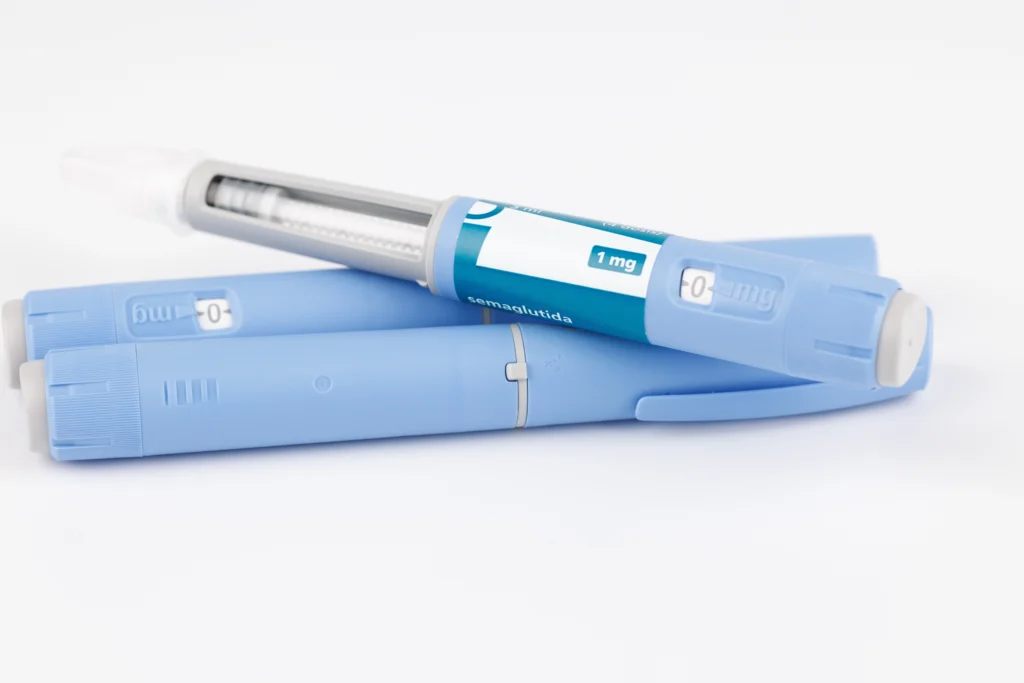
The search for effective treatments for alcohol addiction has taken an unexpected turn with a medication originally developed for diabetes and weight loss. Ozempic, a drug that mimics the effects of a natural hormone called glucagon-like peptide 1 (GLP-1), is showing promising results in reducing cravings for alcohol. Early research and clinical studies suggest that GLP-1 receptor agonists like Ozempic may help people drink less and manage alcohol use disorder more effectively.
What Are the Stages of Alcohol Addiction? From Risk to Recovery
Alcohol addiction does not happen overnight. It develops gradually as drinking habits shift from occasional or social use to a compulsive and harmful pattern that affects both physical and mental health. In simple terms, alcohol addiction progresses through identifiable stages, starting with casual drinking and often ending with severe dependency and health consequences. Understanding these stages can help people recognize the problem early and seek timely help before it becomes life-threatening.
