

Understanding Alcohol Use Disorder
Alcohol use disorder (AUD) is a chronic condition characterized by an impaired ability to stop or control alcohol consumption despite harmful consequences. It affects millions worldwide, leading to significant health, social, and economic costs. Traditional treatments for AUD include counseling, behavioral therapies, and medications, such as naltrexone or acamprosate. However, relapse rates remain high, and not all patients respond well to existing options. This has prompted researchers to explore new therapeutic pathways, including those targeting the brain’s appetite and reward systems.
How Glucagon-Like Peptide 1 (GLP-1) Works
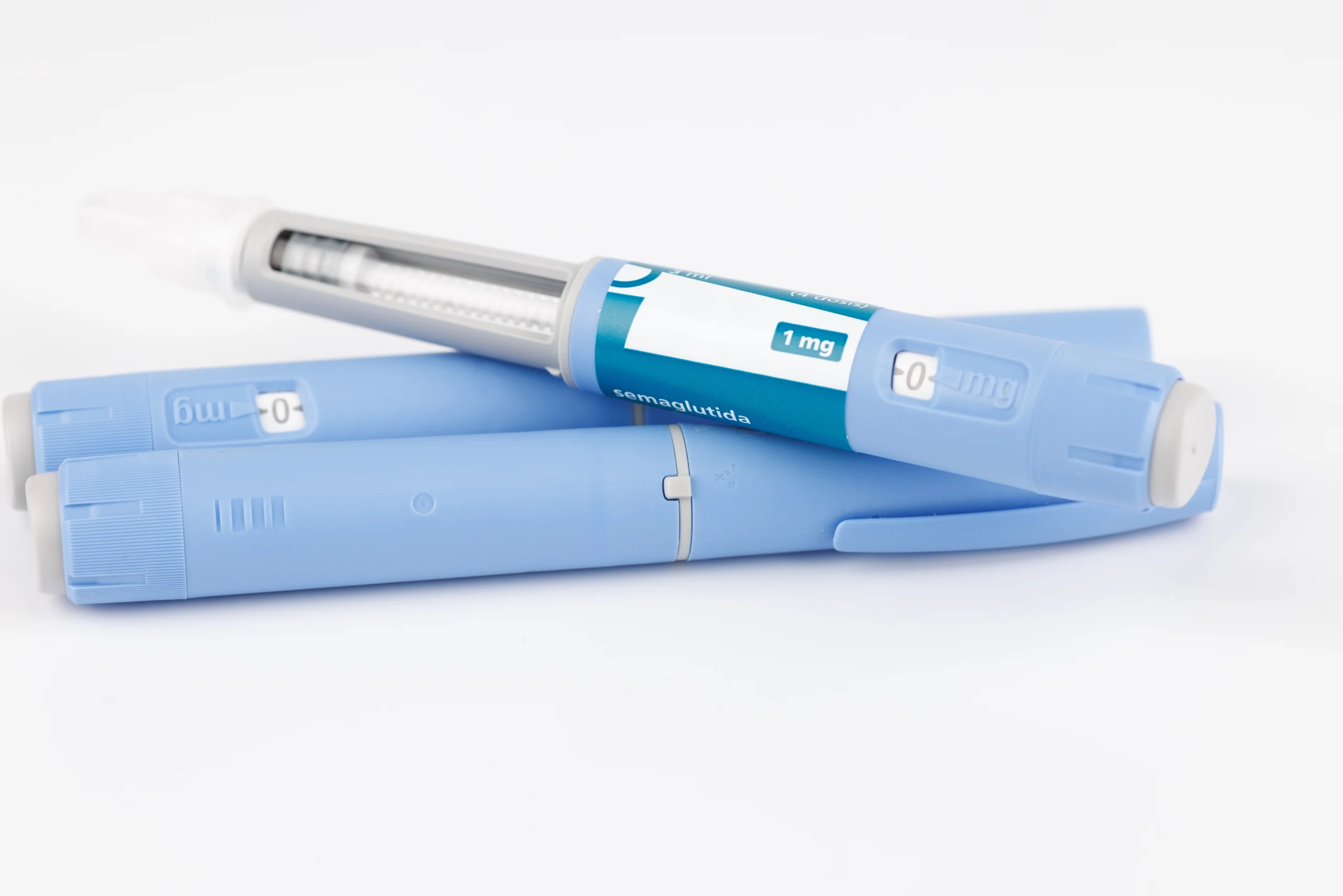
GLP-1 is a hormone produced in the gut that plays an essential role in regulating blood sugar and appetite. It sends signals to the brain that promote feelings of fullness and satisfaction after eating. Ozempic, a synthetic form of GLP-1, activates these same receptors in the brain and body. Initially developed to treat type 2 diabetes, it is now used as one of several new weight-loss drugs for its ability to reduce appetite and promote calorie control.
Interestingly, scientists noticed that patients using Ozempic and other GLP-1 receptor agonists often reported drinking less alcohol or losing interest in it altogether. This observation led to formal research into whether these medications might also curb alcohol cravings.
The Science Behind GLP-1 Receptor Agonists and Alcohol Cravings
GLP-1 receptor agonists affect brain regions that control reward and motivation, including the nucleus accumbens and the ventral tegmental area. These are the same areas activated by addictive substances like alcohol and drugs. By influencing these neural pathways, GLP-1 receptor agonists appear to reduce the rewarding effects of alcohol and lessen the desire to drink.
In animal studies, male and female rats given GLP-1 receptor agonists consumed significantly less alcohol compared to control groups. These results were consistent across several experiments and suggested that the drug directly impacts the brain’s response to alcohol. Researchers believe the mechanism involves dampening dopamine release, which normally contributes to the pleasure and reinforcement associated with drinking.
Evidence from Placebo-Controlled Clinical Trials
Early human research has echoed these animal findings. A recent placebo-controlled clinical trial tested a GLP-1 receptor agonist in individuals with alcohol use disorder. Participants who received the medication reported fewer cravings for alcohol and drank less frequently compared to those taking a placebo. While these studies are small and preliminary, they point to a clear potential for medications like Ozempic to play a new role in addiction treatment.
Larger trials are now underway to determine the optimal dosing, duration, and safety of GLP-1–based therapy for people struggling with alcohol dependence. Scientists are also exploring whether these medications may benefit individuals who have not responded to traditional treatment approaches.
The Connection Between Alcohol Abuse and Metabolic Health
The intersection of alcohol abuse and metabolic disorders offers another reason why Ozempic may be useful in this context. Chronic heavy drinking can lead to insulin resistance, obesity, and liver disease. Because GLP-1 receptor agonists improve insulin sensitivity and promote weight loss, they may address both the metabolic and behavioral aspects of alcohol addiction. For patients with coexisting diabetes or fatty liver disease, Ozempic could therefore provide dual benefits: improving metabolic health while helping to reduce alcohol consumption.
How Ozempic Might Reduce Cravings for Alcohol
Researchers believe that Ozempic reduces cravings for alcohol through several pathways. It may modulate reward signaling in the brain, reduce anxiety that often triggers drinking, and stabilize blood sugar levels, which can influence mood and impulse control. These combined effects may make it easier for individuals to resist urges and maintain long-term sobriety.
In some studies, participants reported that alcohol no longer felt as enjoyable or satisfying while taking Ozempic. This aligns with neuroimaging evidence showing decreased activity in brain regions associated with reward and motivation after GLP-1 receptor agonist treatment.
Comparing Ozempic with Traditional Alcohol Addiction Medications
Currently approved medications for alcohol addiction work in different ways.
- Naltrexone blocks opioid receptors involved in pleasure responses.
- Acamprosate stabilizes chemical signaling in the brain.
- Disulfiram creates unpleasant reactions when alcohol is consumed.
While effective for some, these drugs often come with side effects or limited adherence. Ozempic offers a potentially more tolerable and multi-benefit approach, targeting both appetite and addictive behaviors. However, it is important to note that Ozempic is not yet approved by the FDA for treating alcohol use disorder, and further research is required before it becomes a standard therapy.
Reduce Alcohol Consumption with Professional Support and Counseling
While medications like Ozempic show potential to reduce alcohol cravings, professional support remains an essential part of recovery. Counseling, behavioral therapy, and structured programs can help individuals understand the underlying causes of their drinking patterns and develop healthier coping strategies. Reducing the amount of alcohol consumed is not just about willpower; it often requires guidance, accountability, and emotional support from trained professionals who specialize in substance use disorders.
For those ready to take the next step, our online database Mental Health Rehab Near Me is a valuable resource. It connects individuals with licensed therapists, addiction specialists, and rehabilitation centers nationwide. Whether you are actively seeking treatment for alcohol drinking or simply exploring your options, our platform makes it easy to find personalized care in your area. Providers listed on the site offer both in-person and virtual sessions, providing flexible, confidential support that fits into your daily life.
What Studies on Male and Female Rats Tell Us About Future Treatment
The studies involving male and female rats provide valuable insights into how biological sex may influence responses to GLP-1 receptor agonists. Some research indicates that female rats may experience stronger reductions in alcohol intake than males, possibly due to hormonal differences affecting reward pathways. These findings underscore the importance of personalized treatment strategies and may guide future human studies to identify which groups benefit most from GLP-1–based interventions.
The Broader Potential of GLP-1 Medications in Addiction Treatment
The potential benefits of GLP-1 receptor agonists extend beyond alcohol. Researchers are also investigating their use for drug abuse involving substances such as cocaine and opioids. Because these drugs activate similar reward circuits in the brain, GLP-1 therapies could theoretically reduce cravings and relapse risk across multiple forms of addiction. If proven effective, this would represent a major step forward in understanding how metabolic and reward systems interact in addiction.
Addressing Concerns and Limitations of the New Weight Loss Drugs
Despite the excitement surrounding these findings, several questions remain. The long-term effects of using Ozempic for addiction are not yet clear, especially for individuals without diabetes. Potential side effects include nausea, gastrointestinal discomfort, and changes in appetite. There are also concerns about accessibility and cost, as new weight loss drugs like Ozempic are expensive and often not covered by insurance for off-label uses. Additionally, because the drug influences metabolic processes, it must be prescribed and monitored carefully, particularly in patients with existing medical conditions.
The Link Between Heavy Drinking and Liver Disease
Another important factor to consider is the impact of alcohol on the liver. Heavy drinking is a leading cause of liver disease, ranging from fatty liver to cirrhosis. GLP-1 receptor agonists have shown promise in improving liver function and reducing fat accumulation in the liver, which could offer added protection for those in recovery from alcohol addiction. By supporting liver health while curbing alcohol intake, Ozempic may help prevent further organ damage and improve overall well-being.
Future Directions for Research
The next step for researchers is to conduct larger, longer-term studies to confirm the safety and effectiveness of GLP-1 receptor agonists for treating alcohol addiction. These studies should include diverse populations, explore different doses, and compare outcomes across age, sex, and health status. Integrating brain imaging, blood biomarkers, and behavioral assessments could also provide deeper insight into how these drugs change neural activity and reduce cravings for alcohol.
Conclusion: Ozempic for Alcohol Addiction
The growing interest in Ozempic as a potential option for alcohol use disorder treatment reflects a major shift in how researchers and clinicians view addiction. Emerging clinical research in both animals and humans indicates that semaglutide reduces alcohol intake and may influence weekly drinking patterns, helping individuals delay drinking or lower their drinking quantity over time. By affecting brain regions linked to reward and motivation, Ozempic could support alcohol reduction and long-term recovery.
Studies using randomized clinical trials and placebo group comparisons have provided early but compelling evidence that medication effects on voluntary alcohol consumption extend beyond appetite control. In some participants, decreases in weekly alcohol cravings have been associated with measurable improvements in Breath Alcohol Concentration (BAC) levels. These findings align with advances in addiction science and public health sciences, which increasingly recognize the overlap between metabolic, psychological, and behavioral factors in addiction.
Researchers also note that GLP-1–based drugs like Ozempic, originally developed as weight loss medications, could have broader benefits for people with coexisting conditions such as cardiovascular disease or opioid use disorder. Understanding the full range of medication effects will be essential to ensuring their safe and effective use in new areas of care.
While Ozempic is not yet part of FDA-approved AUD treatments, its potential to promote reduced alcohol intake and modify weekly drinking patterns highlights a promising frontier in both addiction medicine and metabolic health. Ongoing research will determine the best way to integrate GLP-1 therapies into comprehensive treatment plans that combine medical, behavioral, and psychological support for lasting recovery.

About The Author
Dr. Sarah Johnson is a board-certified psychiatrist specializing in alcohol addiction and mental health care. She is dedicated to providing compassionate, evidence-based treatment that empowers patients to heal and build lasting resilience.
How to Find a Mental Health Provider That’s Right for You?
How to Know If You Need Therapy?
Psychiatrist vs Therapist: Which One Do You Need?
Teletherapy vs. In-Person Therapy: Which Is Better for You?
Does Insurance Cover Mental Health Treatment?
How Do I Know If I Need Therapy?