

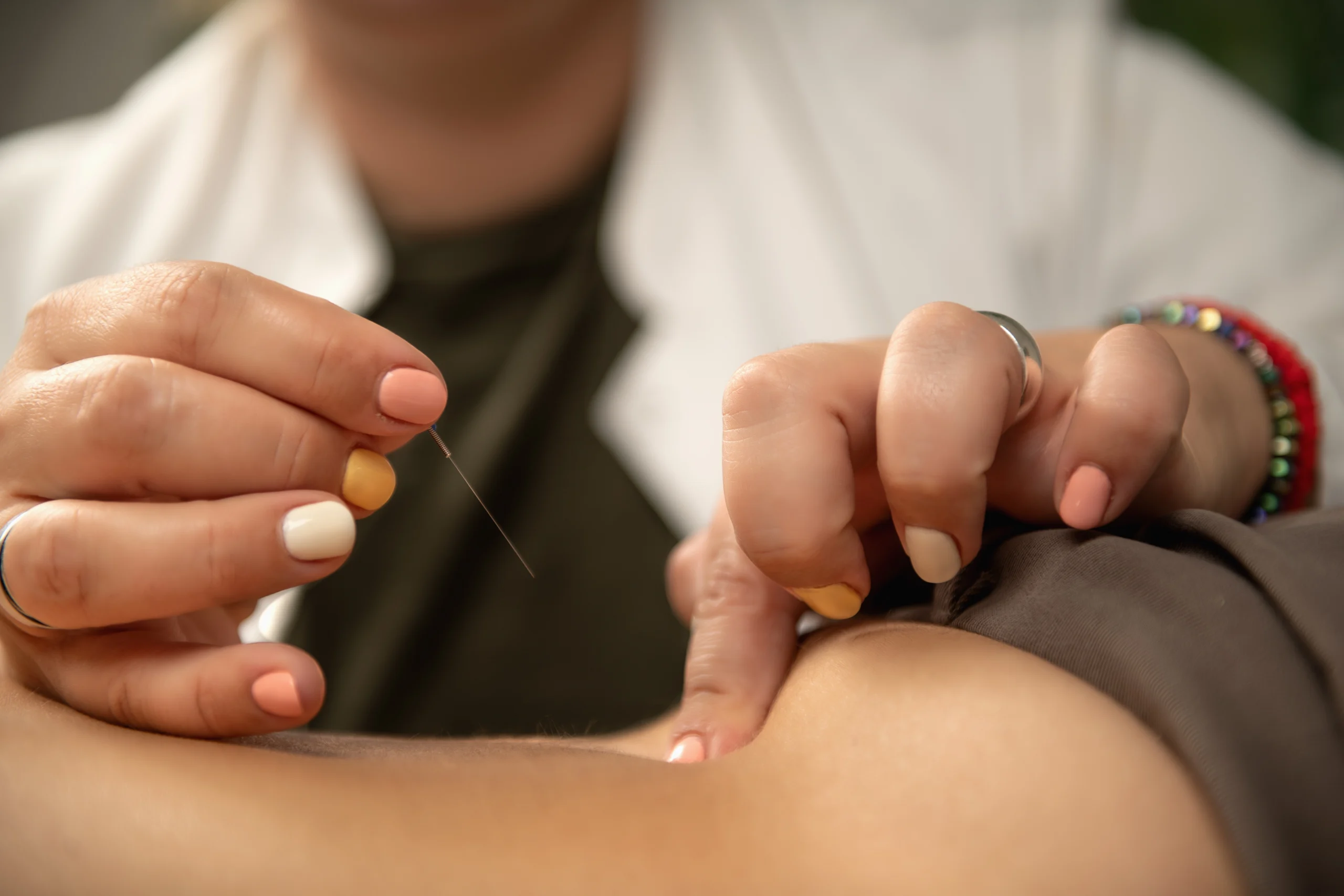
Understanding Acupuncture for Alcohol Use Disorders
Acupuncture, a practice rooted in traditional Chinese medicine that dates back thousands of years, involves inserting thin needles into specific points on the body to restore balance and promote healing. When applied to addiction treatment, this ancient practice takes on new relevance in addressing the complex neurological and physiological changes associated with substance dependence.
The application of acupuncture for alcohol use disorders has gained increasing attention in both clinical settings and research circles. The practice operates on the principle that addiction disrupts the body’s natural energy flow, or “qi,” and that strategic needle placement can help restore balance to the nervous system. Modern scientific research has begun to validate some of these traditional concepts, showing that acupuncture may influence neurotransmitter systems involved in addiction, including dopamine, serotonin, and endorphins.
Treatment typically involves regular sessions, often several times per week during the initial phases of recovery, with the frequency decreasing as the person progresses. Many addiction treatment centers now offer acupuncture as part of their comprehensive care programs, recognizing its potential to enhance traditional therapeutic approaches.
How Acupuncture Attenuates Alcohol Dependence
Scientific studies have explored the mechanisms through which acupuncture attenuates alcohol dependence, revealing several fascinating pathways. Research indicates that acupuncture may work by modulating the brain’s reward system, which becomes dysregulated during addiction. When someone develops alcohol dependence, their brain chemistry changes significantly, particularly in areas related to pleasure, motivation, and stress response.
Acupuncture appears to help normalize these neurochemical imbalances. Studies using neuroimaging techniques have shown that acupuncture can influence activity in brain regions associated with craving and addictive behavior, including the prefrontal cortex and limbic system. The practice may help restore proper function to these areas, making it easier for individuals to resist urges and maintain sobriety.
Additionally, acupuncture has been shown to reduce stress and anxiety, which are major triggers for relapse in alcohol addiction. By promoting relaxation and emotional stability, acupuncture treatment helps create a more favorable internal environment for recovery. The practice also appears to support the body’s natural healing processes, potentially accelerating the restoration of physical health that addiction has compromised.
Acupuncture Treatment for Alcohol Withdrawal
One of the most challenging aspects of overcoming alcohol addiction is managing alcohol withdrawal, which can range from uncomfortable to potentially life-threatening depending on the severity of dependence. Acupuncture treatment has shown particular promise in easing these difficult withdrawal symptoms, making the early stages of recovery more manageable.
Alcohol withdrawal can produce many symptoms, including anxiety, tremors, sweating, nausea, insomnia, and in severe cases, seizures and delirium tremens. While medical supervision remains essential for severe withdrawal, acupuncture can complement medical management by addressing many of the uncomfortable symptoms that make early sobriety so difficult to maintain.
Research has demonstrated that acupuncture can help reduce withdrawal-related anxiety, improve sleep quality, and decrease physical discomfort during detoxification. Patients receiving acupuncture alongside conventional withdrawal management often report feeling more comfortable and better able to cope with the challenges of early recovery. This improved comfort level can be crucial for maintaining motivation and preventing early relapse.
Reducing Alcohol Craving Through Acupuncture
Perhaps one of the most significant benefits of acupuncture in addiction treatment is its effect on alcohol craving, which remains one of the primary obstacles to sustained recovery. Cravings can persist long after the physical withdrawal symptoms have subsided, making ongoing craving management essential for long-term success.
Clinical studies have found that regular acupuncture sessions can significantly reduce the intensity and frequency of alcohol cravings. This effect appears to be related to acupuncture’s influence on neurotransmitter systems, particularly its ability to help regulate dopamine, which plays a central role in the reward pathways that drive addictive behavior.
The Role of Acupuncture Points in Treatment
Acupuncture for alcohol addiction treatment involves stimulating specific acupuncture points that practitioners believe correspond to addiction-related pathways in the body. While hundreds of acupuncture points exist throughout the body, specific points have become particularly associated with addiction treatment.
The most commonly used protocol for addiction treatment is the National Acupuncture Detoxification Association (NADA) protocol, which focuses on five points in the outer ear. These auricular (ear) acupuncture points are believed to have powerful effects on calming the nervous system, reducing cravings, and promoting mental clarity. The specific points are called Shen Men, Sympathetic, Kidney, Liver, and Lung points.
Body acupuncture may also be incorporated, with practitioners selecting points based on individual symptoms and needs. Points that address anxiety, sleep disturbances, digestive issues, and overall energy balance are commonly included. The selection and combination of acupuncture points can be tailored to each person’s unique presentation, making the treatment highly individualized.
Impact on Alcohol Intake and Recovery Outcomes
Studies examining the effect of acupuncture on alcohol intake have produced encouraging results. Research has shown that individuals receiving regular acupuncture treatment tend to experience reduced alcohol consumption, fewer drinking days, and better overall treatment retention compared to control groups.
One significant advantage of acupuncture is its minimal side effect profile compared to many pharmaceutical interventions. This makes it an attractive option for people who may be sensitive to medications or who are seeking more natural approaches to support their recovery. The practice is generally safe when performed by qualified practitioners and can be easily integrated into existing treatment plans.
Integrating Acupuncture into Alcohol Addiction Treatment
While acupuncture shows promise as a complementary therapy, it’s important to emphasize that it works best as part of a comprehensive treatment approach. Effective alcohol addiction treatment typically requires multiple components, including counseling, support groups, lifestyle changes, and sometimes medication. Acupuncture enhances rather than replaces these evidence-based interventions.
When seeking acupuncture for alcohol addiction, it’s essential to work with licensed practitioners who have experience treating addiction. Many addiction treatment centers now employ acupuncturists as part of their interdisciplinary teams, ensuring coordinated care that addresses all aspects of recovery.
Conclusion
So, can acupuncture help with alcohol addiction? The evidence from both preclinical and clinical studies suggests a promising role for this complementary and alternative medicine approach in alcoholism treatment. Research demonstrates that acupuncture, particularly auricular acupuncture, can effectively reduce alcohol intake and address alcohol withdrawal symptoms during the critical withdrawal period. Randomized controlled trials and randomized placebo-controlled trials have shown behavioral and neurochemical effects that distinguish active acupuncture from sham transdermal stimulation. Studies involving chronic ethanol-treated rats have revealed mechanisms including modulation of the hypothalamic pituitary adrenal axis, effects on ethanol-induced dopamine release, and decreased ethanol-induced locomotor sensitization. These findings help explain how acupuncture stimulation may influence voluntary alcohol intake, ethanol intake, and physical withdrawal signs during alcohol withdrawal syndrome.
For individuals struggling with drinking problems, excessive alcohol consumption, chronic alcohol drinking, or ethanol dependence, acupuncture offers a safe complementary option that supports both physical and mental health. The practice has shown promise in managing ethanol withdrawal, reducing drinking habits, and improving outcomes in cases of severe alcoholic recidivism. As part of comprehensive treatment for substance use disorders, acupuncture can help alter drinking patterns and support recovery efforts during the challenging early stages of sobriety.
While more research is needed to fully understand all mechanisms and optimize treatment protocols, the current evidence supports acupuncture as a valuable addition to traditional alcoholism treatment approaches. For those seeking holistic, integrative care that addresses the complex nature of addiction, acupuncture represents a time-tested practice now validated by modern science, offering hope and practical support for lasting recovery from alcohol dependence.

About The Author
Dr. Sarah Johnson is a board-certified psychiatrist specializing in alcohol addiction and mental health care. She is dedicated to providing compassionate, evidence-based treatment that empowers patients to heal and build lasting resilience.
How to Find a Mental Health Provider That’s Right for You?
How to Know If You Need Therapy?
Psychiatrist vs Therapist: Which One Do You Need?
Teletherapy vs. In-Person Therapy: Which Is Better for You?
Does Insurance Cover Mental Health Treatment?
How Do I Know If I Need Therapy?